
The rapid evolution of modern tools and digital infrastructure means that the top technology trends that will shape the future are no longer confined to speculative fiction. As we approach 2026, the convergence of high-speed connectivity, sophisticated algorithms, and hardware advancements is fundamentally altering how society functions. Organizations across every sector are currently realigning their operations to integrate these advancements, moving toward a more interconnected and efficient global landscape.
The Proliferation of Generative Artificial Intelligence
Artificial intelligence has moved beyond simple task automation to become a creative and analytical partner. Modern systems can now draft code, generate realistic imagery, and synthesize complex datasets into actionable insights in seconds. This shift is allowing businesses to scale operations without a proportional increase in human headcount, focusing instead on high-level strategy.
From Automation to Autonomous Decision-Making

While initial automation focused on repetitive manual tasks, the next wave of development centers on autonomous decision-making. By leveraging historical data, these systems can predict market shifts or supply chain disruptions before they occur. This predictive capability allows companies to pivot quickly, minimizing risk and maximizing resource allocation.
Advancements in Cybersecurity and Data Privacy
As our digital footprint expands, the necessity for robust security measures has never been more critical. Traditional perimeter defenses are being replaced by Zero Trust architectures, which assume that threats could exist both outside and inside a network. This shift is essential as more organizations migrate their sensitive infrastructure to the cloud.
The Role of Quantum Computing in Security
The emergence of quantum computing represents a double-edged sword for digital safety. While it promises to solve complex problems that current computers cannot handle, it also poses a threat to current encryption standards. Consequently, the development of post-quantum cryptography is becoming a priority for institutions looking to protect their long-term data integrity against future decryption capabilities.
The Rise of Smart Infrastructure and IoT
The physical world is becoming increasingly digitized through the Internet of Things (IoT). Smart sensors embedded in everything from urban traffic lights to industrial machinery are generating a constant stream of information that powers modern analytics. This flow of data is the lifeblood of the modern city, enabling more efficient energy use and improved public services.
Sustainability and Green Tech
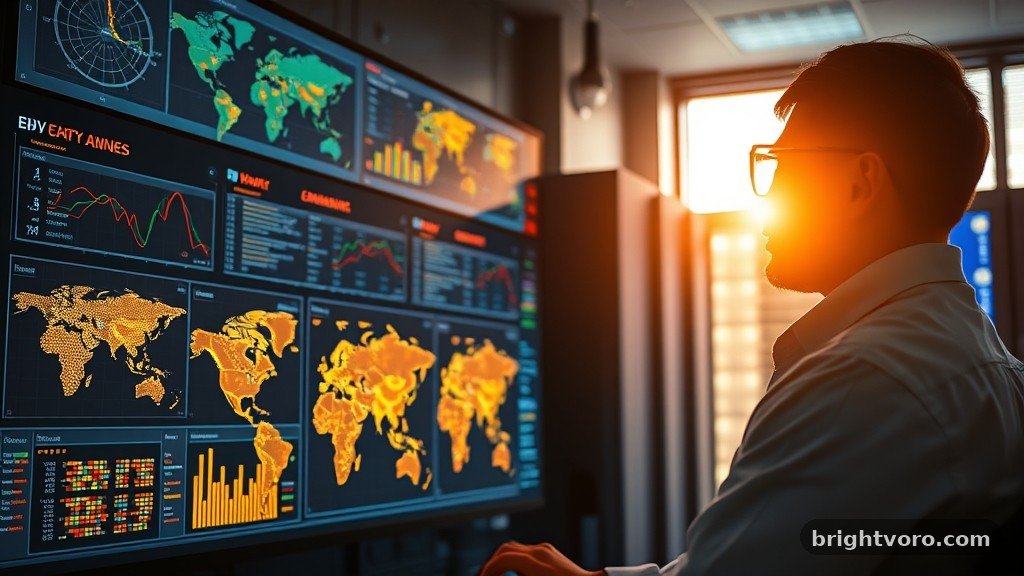
Technology is playing a pivotal role in the global transition toward sustainability. By optimizing energy grids and monitoring carbon footprints in real-time, smart systems help organizations meet their environmental goals. You can learn more about how international bodies track these shifts by reviewing the International Energy Agency’s analysis of energy technology developments.
Distributed Computing and Cloud Evolution
The future of computing is increasingly decentralized. Edge computing—processing data closer to the source rather than in a distant central server—is reducing latency and improving the performance of real-time applications. This is especially vital for technologies like autonomous vehicles and remote surgery, where milliseconds of delay can have significant consequences.
The Integration of Digital and Physical Realities
Extended reality (XR), encompassing virtual and augmented environments, is changing how we train, communicate, and work. In professional settings, these tools allow for immersive simulations that reduce the cost and risk of physical training. As hardware becomes more lightweight and capable, these interfaces will likely become a standard part of the workplace, blurring the lines between our virtual presence and physical location.
Why These Trends Matter
Understanding these shifts is essential for anyone looking to remain competitive in a rapidly changing market. Organizations that proactively adopt these new systems tend to be more resilient and better positioned to capitalize on emerging opportunities. As we look toward 2026, the focus will remain on how these disparate pieces of technology integrate to create a more cohesive, secure, and efficient world.