
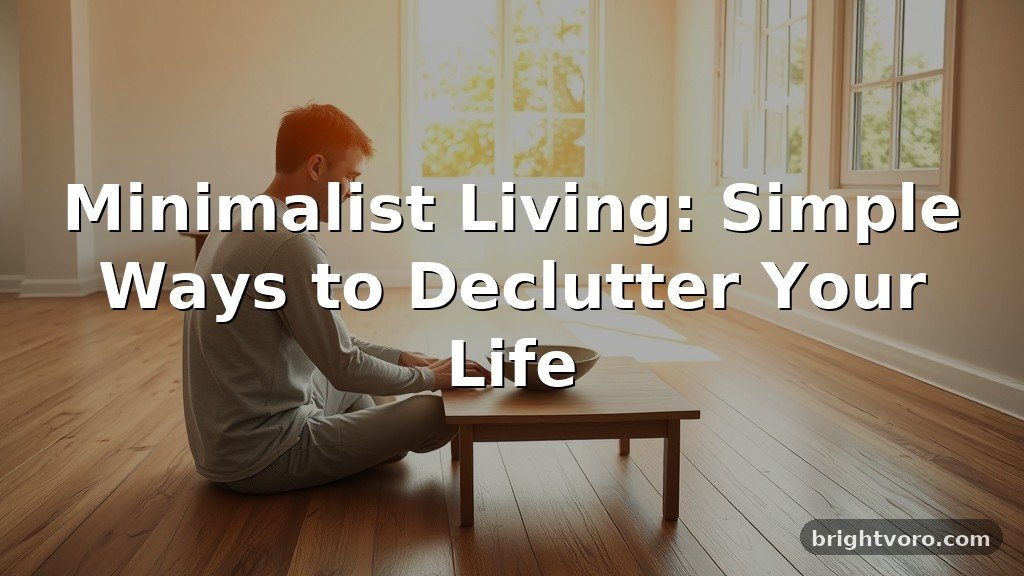
Minimalist living is often misunderstood as living with almost nothing, but in reality, it is about intentionally choosing to keep only the items that serve a purpose or bring genuine joy. Embracing these simple ways to declutter your life allows you to shift your focus from managing possessions to nurturing experiences and relationships. By intentionally reducing the excess, you create physical and mental space to thrive.
The Philosophy of Minimalism at Home
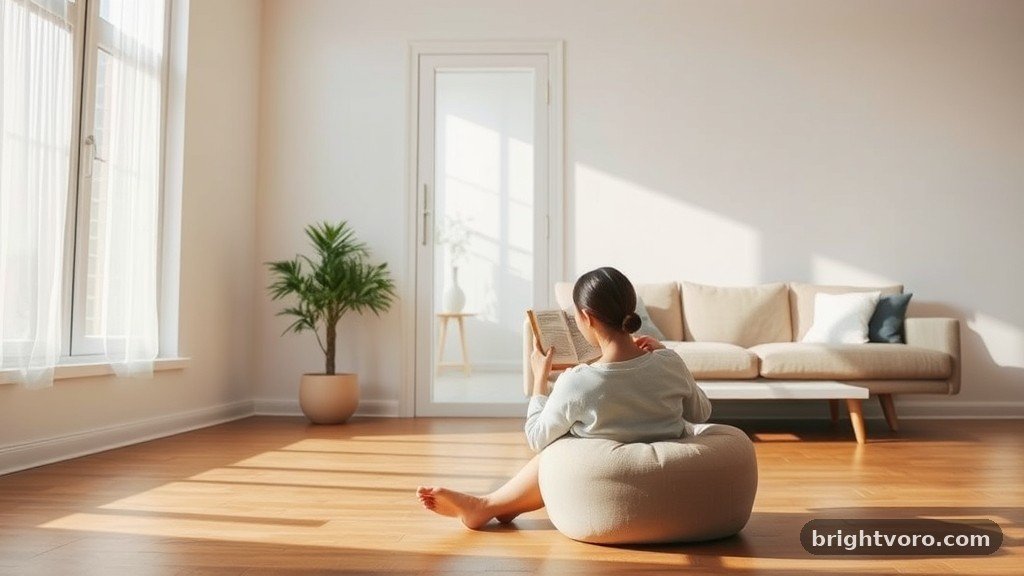
At its core, minimalism is a tool to remove the distractions that keep you from living your best life. When your home is filled with unused items, it creates a visual noise that can lead to increased stress and anxiety. The goal is not to have a barren space, but to create an environment that supports your well-being.
Before you begin, reflect on why you want to change your habits. Understanding your personal motivation—whether it is saving time on cleaning or finding more peace of mind—will help you stay committed when the process becomes challenging.
Practical Steps to Begin Decluttering
If you feel overwhelmed by the sheer volume of your belongings, remember that you do not have to finish everything in a single day. The most effective approach is to start small, perhaps with a single drawer or a specific shelf.
* The One-In, One-Out Rule: For every new item you bring into your home, commit to removing an old one. This prevents clutter from accumulating over time.
* The Three-Box Method: As you sort through your things, use three designated boxes: keep, donate, and discard. Be honest about whether you truly use an item or if you are simply holding onto it out of guilt.
* Digitize Paperwork: Reduce physical paper clutter by scanning important documents and storing them securely in the cloud.
For those interested in the psychological benefits of a simplified environment, the impact of physical clutter on mental health has been well-documented by experts. A tidy space often mirrors a clearer, more focused mind.
Managing Clutter with Family and Kids

Minimalism can be particularly difficult when you share your space with others, especially children. Kids often accumulate a high volume of toys that can quickly take over common areas.
Instead of forcing them to get rid of everything, try rotating their toys. Keep a small selection available and store the rest out of sight; when you bring the stored toys out later, they will feel new again.
When dealing with shared spaces, focus on communal areas first. Establish a rule that shared living rooms should remain clear of personal items at the end of each day. This simple habit keeps the home welcoming for everyone.
Maintaining a Minimalist Mindset
Once you have cleared the initial clutter, the challenge shifts to maintenance. Minimalism is a continuous practice rather than a final destination. Every time you consider a new purchase, pause and ask yourself if you genuinely need it or if it will simply become another piece of clutter in your home.
Focusing on the things that truly matter—your health, your work, and your personal growth—will make it easier to let go of the rest. By intentionally curating your life, you gain the freedom to spend your time on what is important rather than maintaining a collection of objects that no longer serve you.