
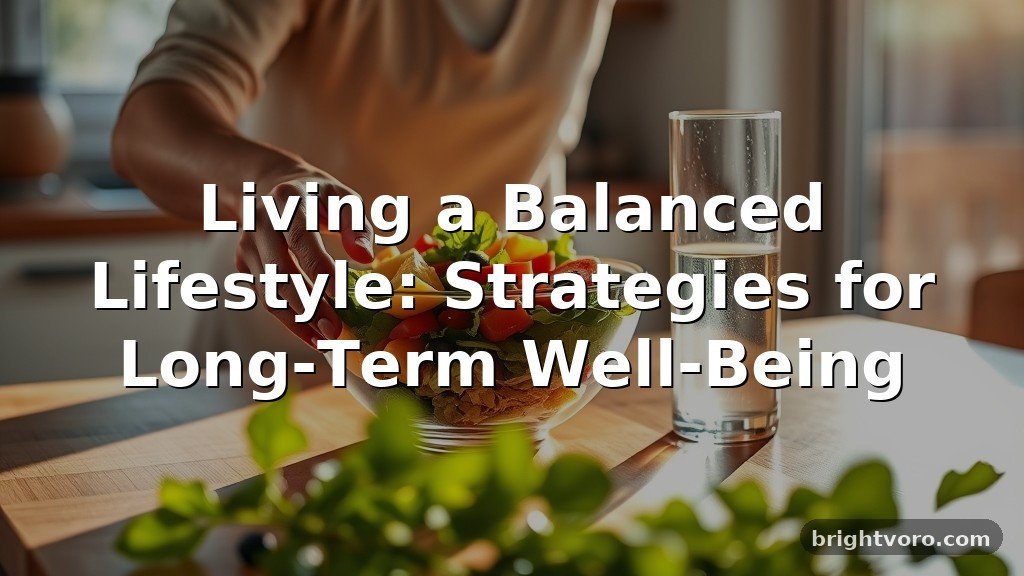
Achieving a balanced lifestyle is not about reaching a state of perfection, but rather about creating a sustainable rhythm that supports your physical and mental health. When you navigate the complexities of modern daily demands, finding equilibrium between your professional responsibilities, personal relationships, and self-care is essential for long-term vitality.
Foundations of Physical Health
Prioritizing your body is the cornerstone of any effective approach to wellness. Without a stable physical foundation, it becomes difficult to maintain focus or emotional resilience when challenges arise.
Nutrition and Hydration

Fueling your body with nutrient-dense food is a proactive step toward consistent energy levels. Focus on whole, unprocessed ingredients rather than restrictive regimes. Staying hydrated is equally vital, as even mild dehydration can impact your cognitive function and mood. According to the Mayo Clinic, proper hydration supports every system in your body, from regulating temperature to lubricating joints.
Movement and Activity
You do not need to spend hours in a gym to see the benefits of physical activity. The goal is to incorporate movement that you genuinely enjoy, whether that involves brisk walking, yoga, or strength training. Consistency outweighs intensity; finding a routine that fits into your schedule ensures that exercise remains a habit rather than a chore.
Prioritizing Mental and Emotional Well-being
A healthy lifestyle extends far beyond physical fitness; it encompasses how you manage stress and process your environment. Cultivating a positive mindset requires intention and the willingness to set boundaries.
The Role of Rest and Sleep
Sleep is often the first thing sacrificed in a busy schedule, yet it is the most critical component for recovery. Quality rest allows your brain to process information and your body to repair tissue. Aiming for seven to nine hours of sleep per night helps regulate hormones, improve focus, and stabilize your emotional health.
Stress Management Techniques

Chronic stress can derail even the most disciplined routines. Developing a “toolbox” of stress-reduction techniques—such as mindfulness, deep breathing exercises, or journaling—can provide a sense of control. If you find yourself overwhelmed, try breaking tasks into smaller, manageable segments to avoid the feeling of being stretched too thin.
Creating Sustainable Daily Routines
The secret to living well lies in the small habits you repeat daily. Rather than attempting a total overhaul of your life, focus on incremental changes that you can maintain over months and years.
Time Management Strategies
Effective time management is not about doing more; it is about doing what matters most. Use tools like calendars or simple to-do lists to prioritize your top three objectives for the day. Learning to say no to non-essential commitments is a powerful way to protect your time and prevent burnout.
Building Social Connections
Human beings are inherently social, and meaningful connections contribute significantly to overall happiness. Dedicate time to nurture relationships with family and friends who support your goals. A balanced life often includes a social component that provides perspective and emotional support during difficult times.
Refining Your Approach Over Time
As your life circumstances change, your definition of balance will likely evolve as well. Periodically assessing your habits allows you to pivot when something is no longer working. By remaining flexible and kind to yourself, you ensure that your pursuit of health remains a source of energy rather than another item on your to-do list.